Understanding PSI and GPM Ratings for Power Wash Projects
Whether you are cleaning a concrete driveway in Parkhurst, a Queenslander's weatherboards in The Range, or a commercial forecourt in the Rockhampton CBD, two numbers on a pressure washer determine how well the job goes: PSI and GPM. Understanding what these ratings mean helps you choose the right equipment, avoid costly surface damage, and get a better result in less time. This guide explains both ratings in practical terms and shows how they apply to common cleaning projects in Central Queensland.
What PSI Means
PSI stands for pounds per square inch, and it measures the pressure of the water leaving the machine. In Australia, you will often see this rating listed alongside bar or MPa. As a rough guide, 14.5 PSI equals 1 bar, and 145 PSI equals 1 MPa. A machine rated at 3,000 PSI is therefore producing around 207 bar, or about 20.7 MPa.
PSI represents the force that breaks the bond between dirt and a surface. Higher pressure lifts stubborn grime, oil stains, and paint more aggressively. However, more pressure is not always better. Excessive PSI can etch concrete, splinter timber, strip paint, force water behind cladding, and damage roof tiles or window seals.
What GPM Means
GPM stands for gallons per minute, and it measures water flow volume. In Australia, flow is more commonly listed in litres per minute (L/min). One US gallon equals roughly 3.79 litres, so a machine rated at 4 GPM delivers approximately 15 L/min.
If PSI is the force that loosens dirt, GPM is the rinsing power that carries it away. A higher flow rate clears debris faster and lets you cover larger areas in less time. Two machines can share the same PSI yet perform very differently because of their GPM ratings.
Cleaning Units: Combining PSI and GPM
Professionals often combine the two ratings into a single figure called Cleaning Units (CU). The formula is simple:
PSI × GPM = Cleaning Units
For example, a 2,000 PSI machine at 2 GPM produces 4,000 CU, while a 3,000 PSI machine at 2.5 GPM produces 7,500 CU. This figure gives a more accurate picture of overall cleaning performance than either rating alone. When comparing machines, check both numbers rather than relying on PSI in the marketing.

Recommended Ratings by Surface
Different materials tolerate different levels of pressure. The ranges below are general guidelines, and it is always wise to test a small, hidden area first.
- Cars, boats, and outdoor furniture: 1,000 to 1,900 PSI with 1.4 to 2 GPM
- Timber decks and fences: 500 to 1,500 PSI, using a wide fan tip and keeping the nozzle moving with the grain
- Painted weatherboards and cladding: 1,000 to 1,500 PSI, preferably with soft washing methods for older paint
- Brick and pavers: 1,500 to 3,000 PSI, taking care not to wash out the jointing sand
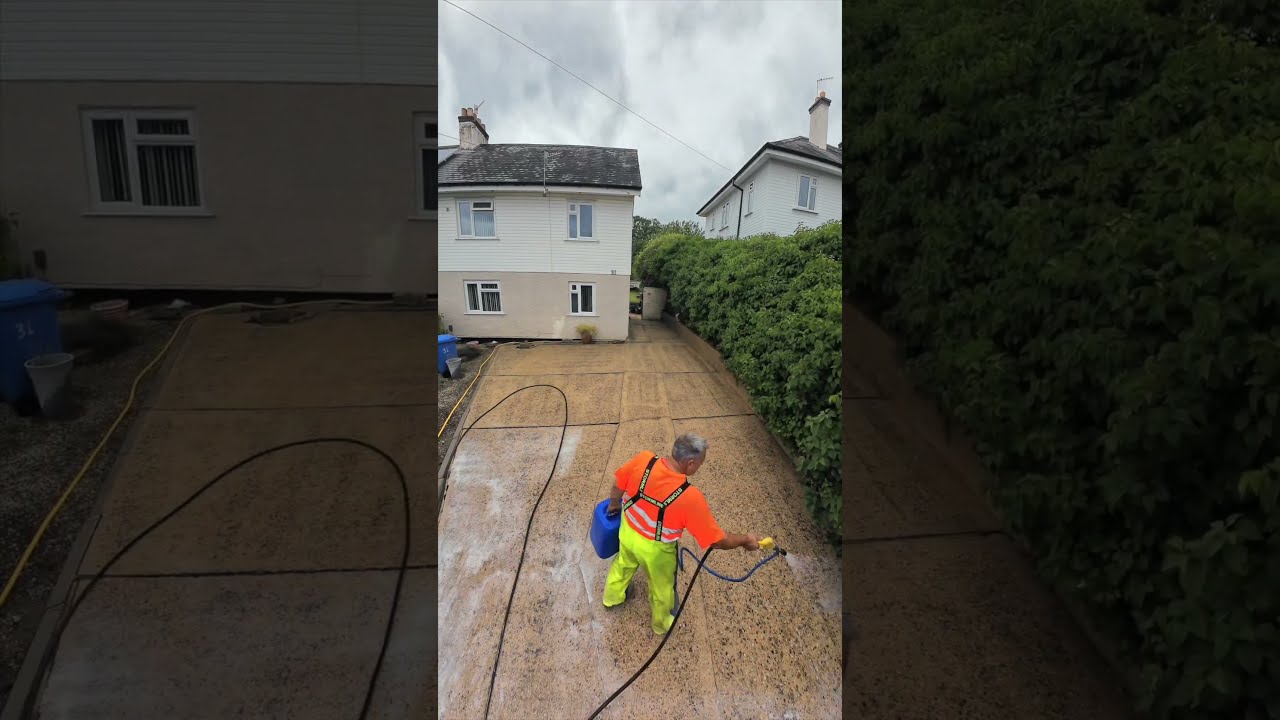
- Concrete driveways and paths: 3,000 to 4,000 PSI, ideally with a surface cleaner attachment
- Roofs (tiles and metal): Low pressure or soft wash methods are recommended, as high PSI can crack tiles and force water under sheets
Nozzle Selection and Its Effect on Pressure
The nozzle changes how pressure is delivered to the surface. Narrow tips concentrate the same water into a smaller area, increasing the impact force. Nozzles are colour-coded by spray angle:
- 0 degrees (red): A pinpoint jet that can damage most surfaces. Use only for very specific tasks, if at all.
- 15 degrees (yellow): Strong cleaning on hard surfaces such as concrete
- 25 degrees (green): General purpose cleaning on many surfaces
- 40 degrees (white): Gentle cleaning for vehicles, windows, and delicate materials
- 65 degrees (black): Low pressure for applying detergents
Standing closer to the surface also increases the effective force. Keeping a consistent distance, typically 20 to 40 centimetres depending on the material, helps avoid streaking and gouging.
Electric vs Petrol Pressure Washers
Most homeowners in Rockhampton use electric machines, which generally range from 1,400 to 2,300 PSI and 1.5 to 2 GPM. They are lighter, quieter, and well suited to cars, patios, and light-duty cleaning. Petrol-powered machines typically offer 2,500 to 4,000 PSI and higher flow rates, making them better for large concrete areas, commercial sites, and heavily soiled surfaces. Professional-grade hot water units add temperature to the equation, which is particularly effective on https://trentonswkh894.fotosdefrases.com/what-should-a-professional-pressure-cleaning-quote-include grease and oil.
Local Conditions in Rockhampton
Rockhampton's subtropical climate shapes cleaning needs. High humidity and warm temperatures encourage mould, mildew, and algae growth on shaded walls, pathways, and roofs, especially through the wet season from roughly December to March. Red dust and mineral-rich soil can also stain pavers and light-coloured concrete. Outdoor surfaces exposed to strong sun can become brittle over time, so lower pressure is often safer on older timber and weathered paint.
For mould and algae, lower pressure combined with an appropriate cleaning solution is often more effective and safer than blasting the surface at maximum PSI. This approach is commonly called soft washing, and it lets the detergent do the work rather than brute force.
Water Use and Responsible Practice
Central Queensland experiences periods of dry weather, and water efficiency matters. Check current water restrictions with Rockhampton Regional Council before undertaking large cleaning projects. Higher GPM machines use more water, so consider pairing a mid-range flow rate with a surface cleaner attachment, which can cut cleaning time and water consumption on flat areas. It is also important to prevent runoff containing detergents, oils, or paint flakes from entering stormwater drains, as these ultimately flow to local waterways. Where possible, direct wastewater to lawn or garden areas that can absorb it, and use biodegradable cleaning products.
Safety Tips for Using Pressure Washers
- Wear closed-in footwear, eye protection, and gloves. Never operate a pressure washer in sandals.
- Never point the spray at people, pets, or your own hands and feet. High-pressure water can cause serious injection injuries.
- Start with the widest nozzle and lowest pressure, then increase gradually as needed.
- Keep electrical connections dry and use a safety switch (RCD) when operating electric models.
- Take extra care on ladders, as the machine's recoil can cause a fall. Use a extension lance or professional equipment for work at height.
When to Call a Professional
For multi-storey homes, tiled roofs, commercial premises, heavily stained concrete, or delicate surfaces, hiring a professional power washing service is often the smarter choice. Professionals use commercial-grade equipment with correctly matched PSI and GPM, and have the experience to select the right method for each surface. This reduces the risk of damage and often produces a more even, longer-lasting finish than a hired domestic unit.
Final Thoughts
PSI and GPM work together: pressure loosens grime, while flow rinses it away. Matching both ratings to the surface, selecting the right nozzle, and adjusting your technique for local conditions will give you better results with less risk. If you are unsure which settings suit your property in Rockhampton, speak with a local cleaning specialist who can assess the surfaces and recommend an appropriate approach.
Capricorn House Washing
0482 073 600